Hassaan Muhammad Khan,
an AI & Machine Learning
Researcher from Pakistan!
About Me.
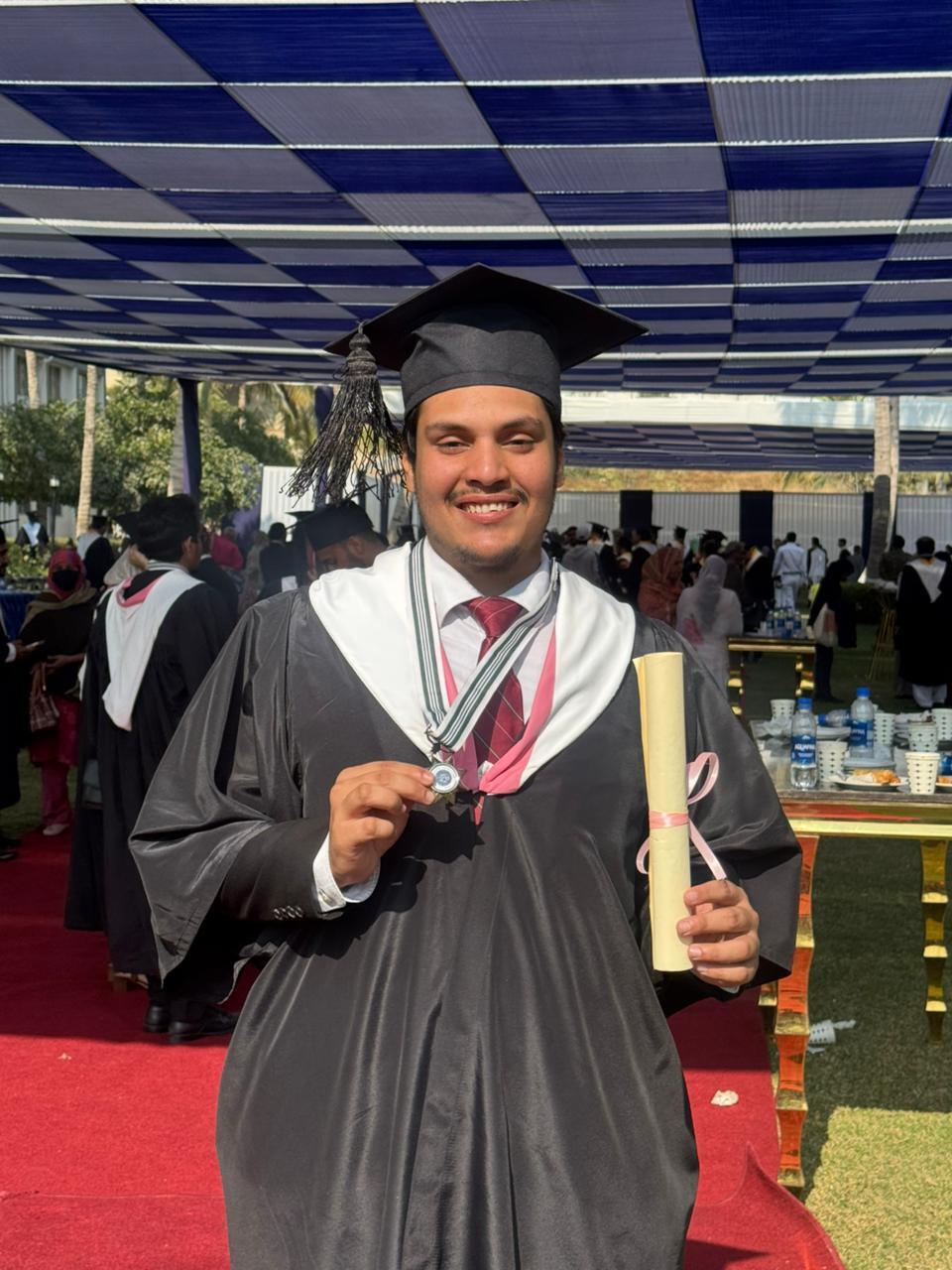
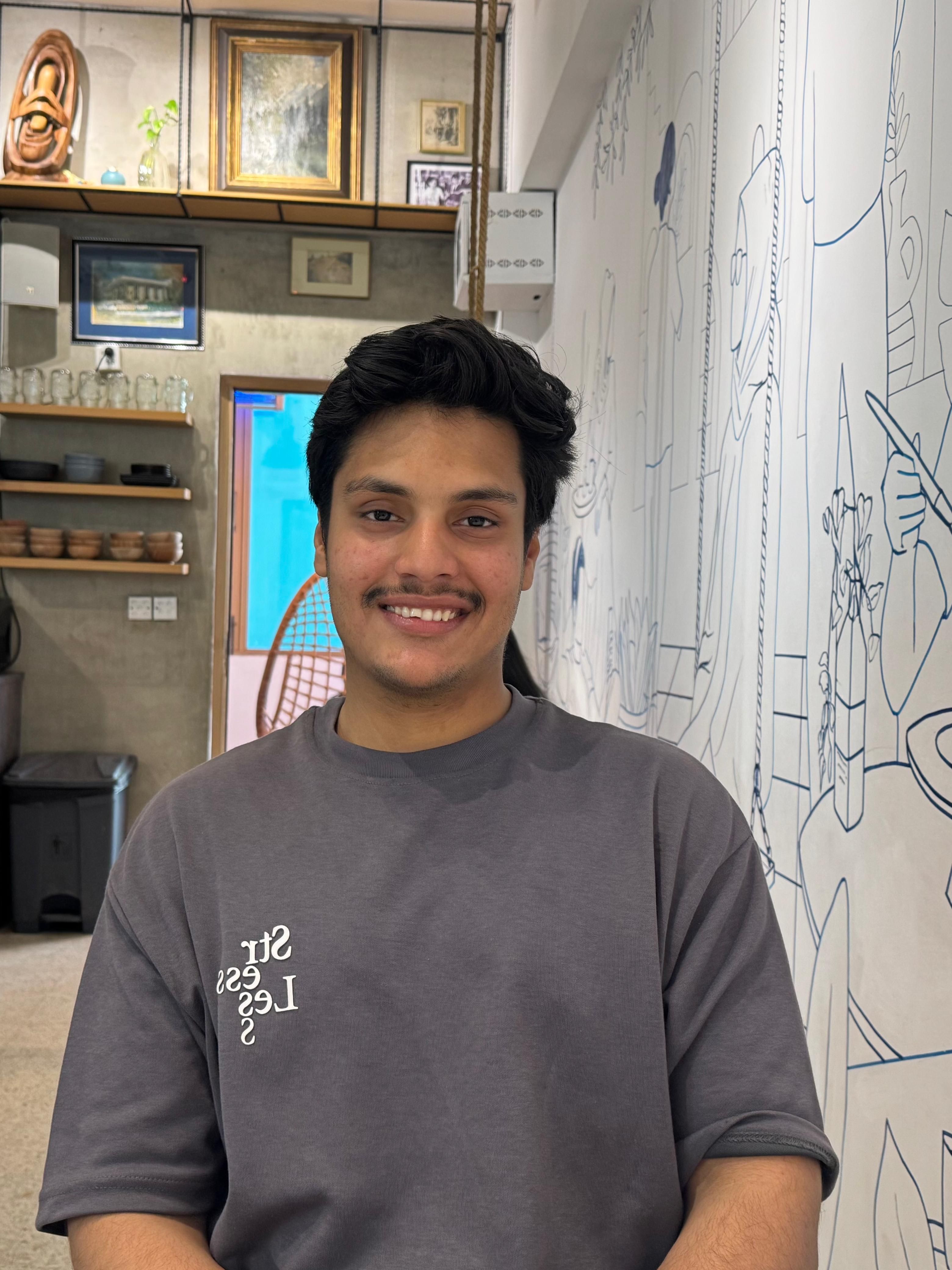
I recently graduated with a degree in Electrical Engineering from NUST (June 2025) being top 3 of my batch, with a major in Artificial Intelligence. Over the last three years , I’ve had the chance to work on some amazing projects, collaborating with student teams and with incredible researchers at places like Additech-Sim and the Mohamed bin Zayed University of Artificial Intelligence.
My current research focus lies in making LLMs better and safer, specifically focusing on multilingual and multimodal foundation models. I'm always on the lookout for new research collaborations. If you're interested in working together to make a positive impact, please feel free to reach out!
Experience
- ByteCorp Technologies Machine Learning Engineer
- DOAZ - Remote AI Engineer
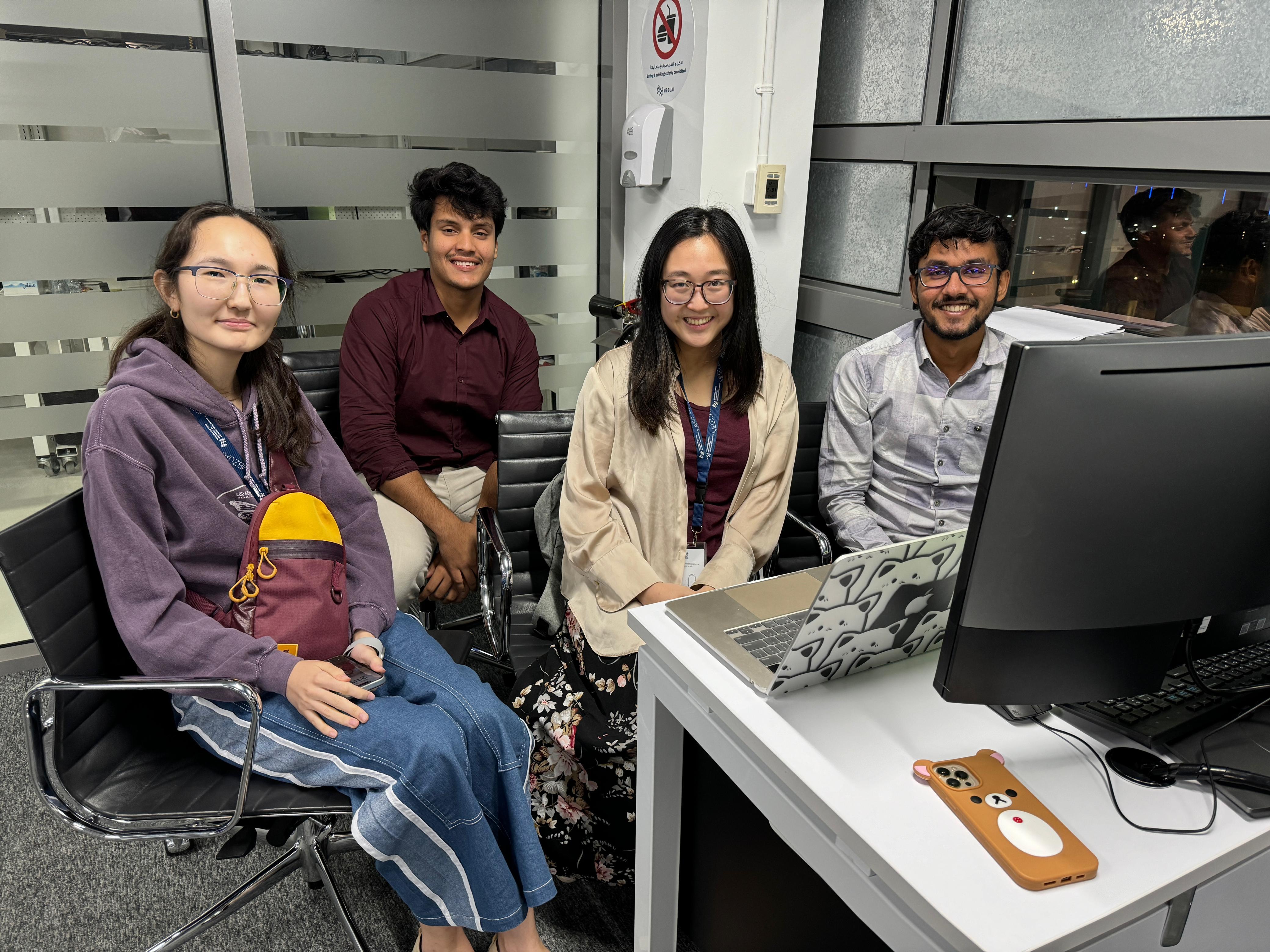
- Mohamed Bin Zayed University of Artificial Intelligence - Abu Dhabi, UAE Research Intern
- Additech-Sim - Stuttgart, Germany Machine Learning Researcher
- NUST Airworks - Karachi, Pakistan Automation Lead
- Liberty Textile Mills - Karachi, Pakistan Electrical Intern
Awards and Publications
Skills
- Programming Languages: Python, C++, SQL
- Machine Learning Frameworks: PyTorch, TensorFlow, Keras, SciKit-Learn, Apache, Hugging-Face, YOLO, ONNX, TensorRT, Whisper
- Cloud/Server Deployment: Azure, AWS-cluster, Google Cloud, FastAPI, Gradio, Vast-AI, Streamlit, Runprod
- Data Handling: Json, Matplotlib, Seaborn, NumPy, Pydantic models
- NLP Frameworks and Skills: Fastchat (Fine-tune), LM-evaluation-harness, Transformers, LangChain, langraph, Neo4j, Outlines, NLTK, Quadrant, Cohere, n8n
Some Recent Works.
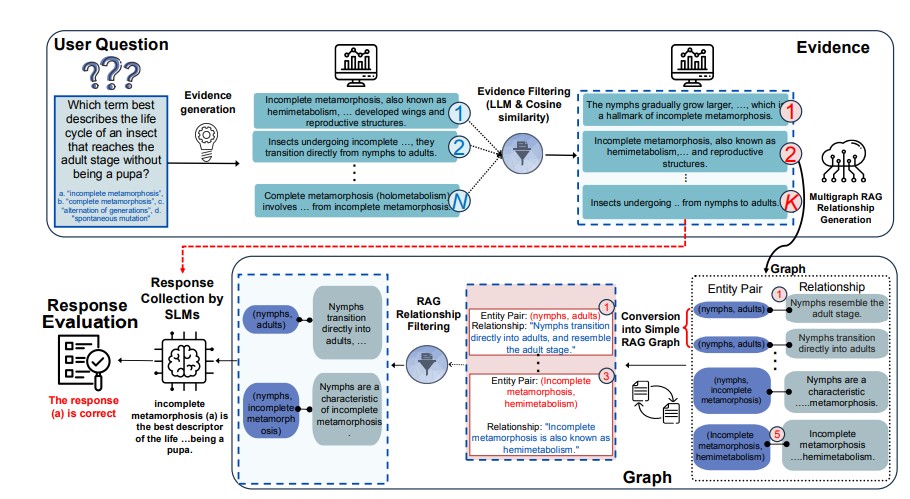
DRAG framework at ACL 2025 Main
This project was done in collaboration with MBZUAI, as a research intern under professor Zhiqiang Shen. This research empowers the small language models to perform contextually well through knowledge distillation from a subsequently larger language model. Check out the detailed evaluation on different benchmarks getting upto 27% increase in accuracy. Project Link.
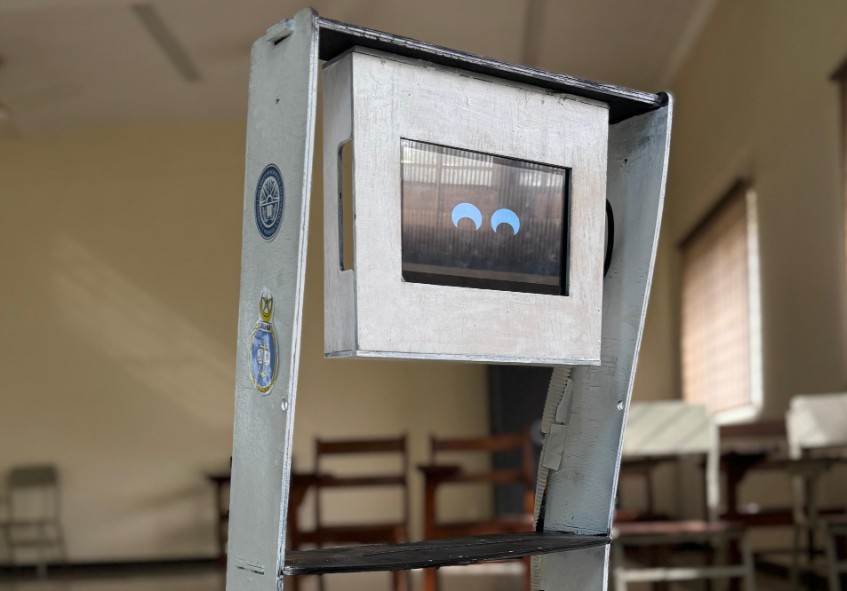
Autonomous Slam Based Navigation Robot
As the name suggests, this state of the art robot uses Lidar technology to map the area and navigate autonomously within it. Fun-fact: This robot has a fine-tuned LLM deployed on server that helps it to interact along with RAG pipeline. Check out more on the github repo: Project Link.
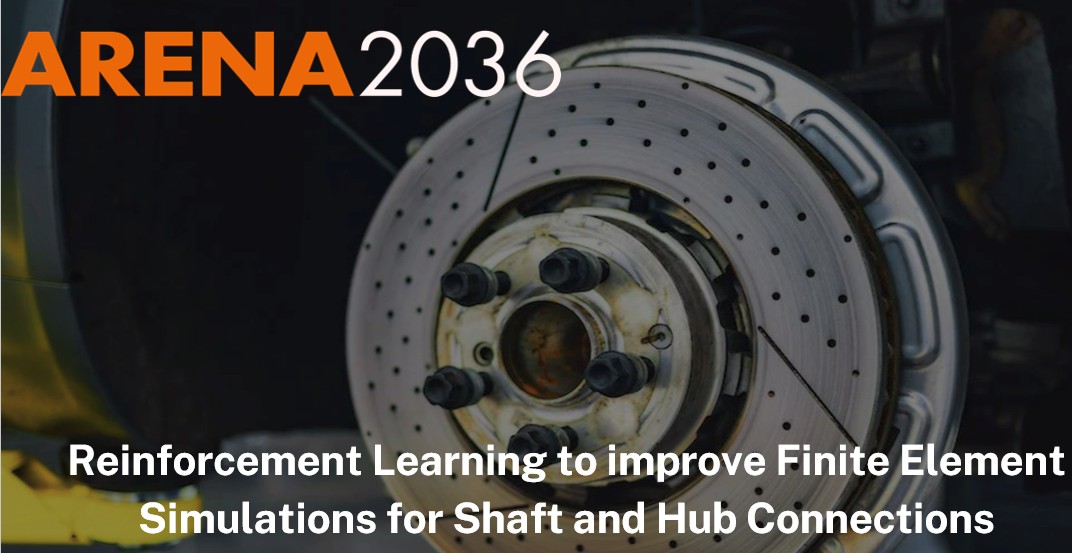
SCAP-2024 , Optimization Of Shaft Hub Connections
This research was done during my time at Additech-Sim and is one of the various industrial research projects completed. The research focuses on improving existing pressure values within a certain boundary conditions through a custom stable-baseline3 RL environment. Pretrained and optimized supervised learning model was used for inference. Check out more on the link: Project Link.
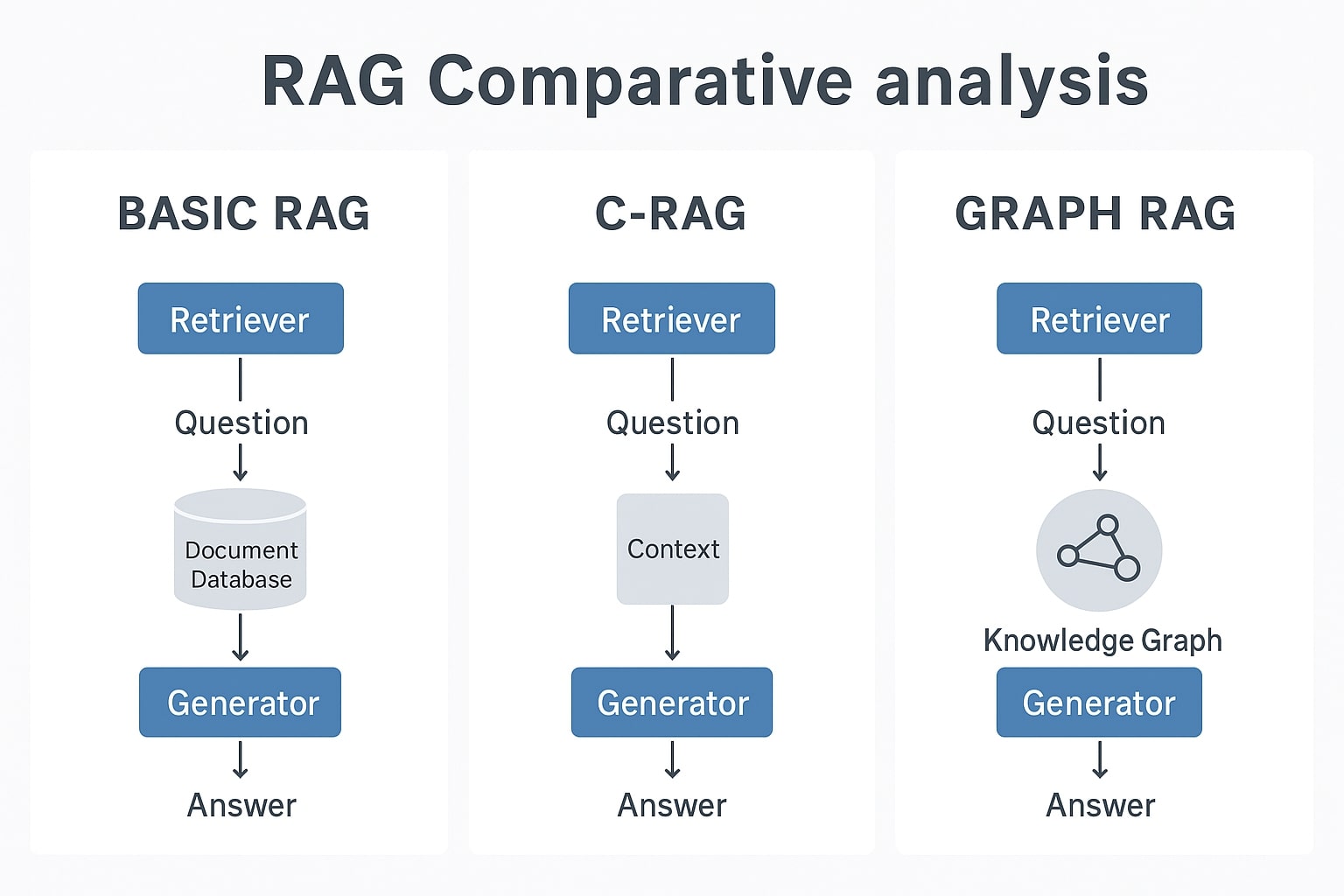
Comparitive RAG Analysis
This project was done as a part of DOAZ, to analyze Basic RAG, Corrective RAG and Graph RAG, using end to end langchain and Neo4j implementation. 5 Pdfs were used to create FAISS vector DB using large embedding model from openai which was used for RAG and CRAG. GraphRAG used knowledge graph saved on server and cypherquery through neo4j for efficient retrieval. Detailed comparision saved on excel sheets. Project Link.
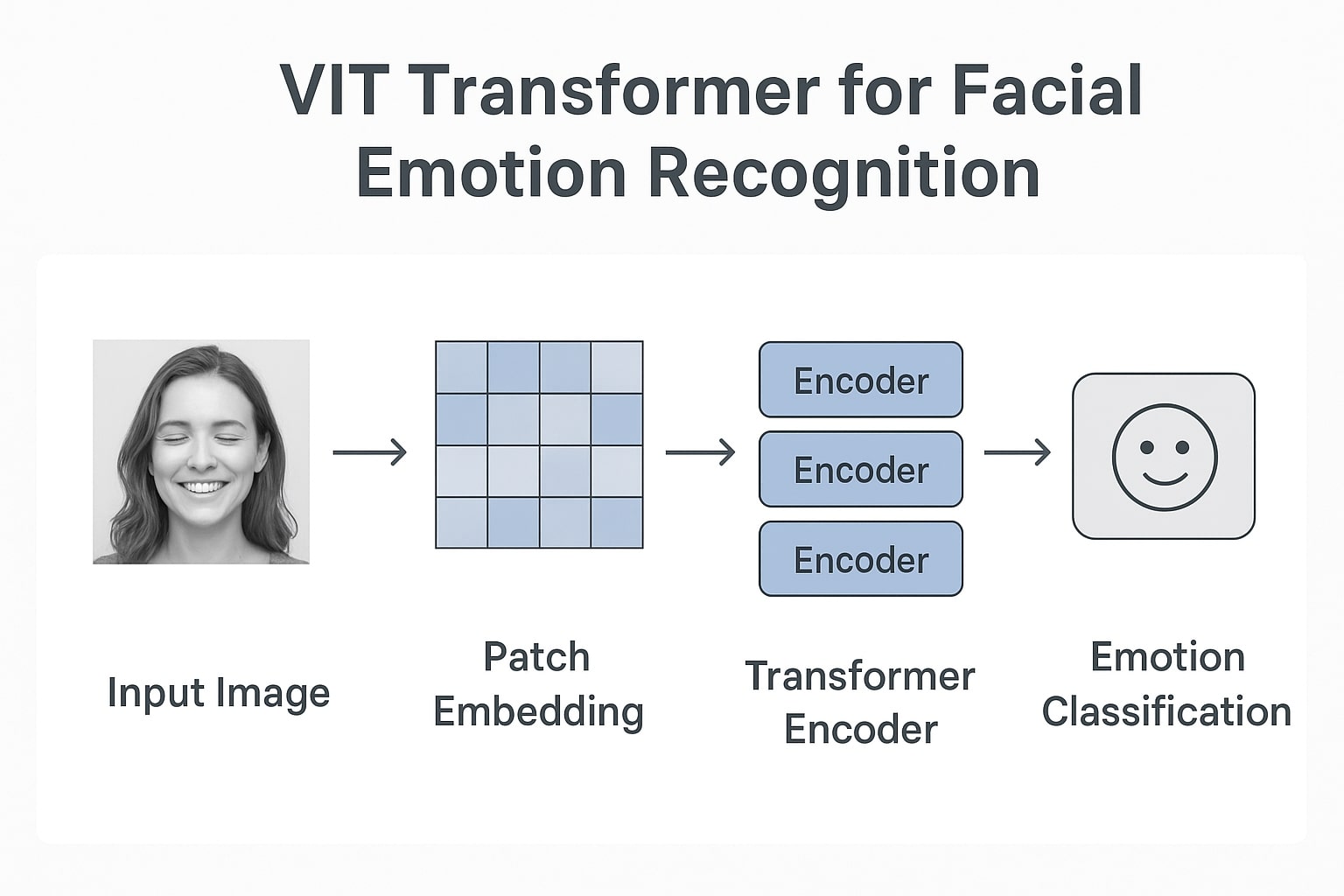
Facial Emotion Recognition
The project makes use of pretrained VIT Transformer fine-tuned on FER and AffectNet datasets for facial emotion recognition. CNN was also trained with different variations of epochs on same datasets and analysis was done based on validation accuracy as highlighted in the repository, do check it out! Project Link.
Optimizaiton Of Prompts and Finetuning
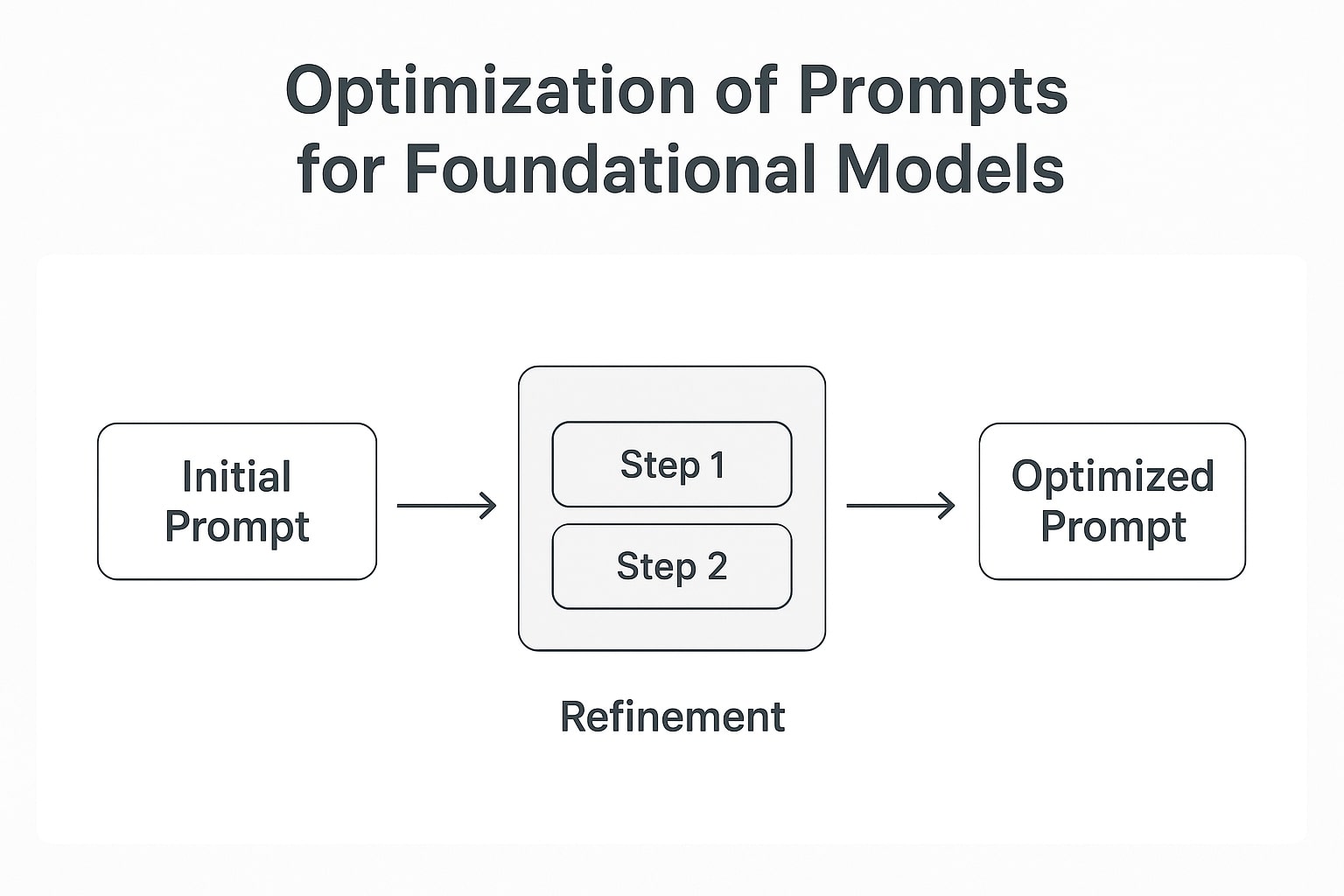
Our project, conducted under Dr. Zhiqiang Shen during UGRIP at MBZUAI, was titled as "Optimizing Prompts for Foundation Models" to reduce hallucination. We curated a benchmark dataset of 25k questions across ~60 topics like engineering, philosophy, and history. Additionally, we developed a web application to collect human preferences and assess the correctness of responses before and after applying 26 guiding principles from VILA LAB. This preference data is crucial for future preference-based optimization techniques, enhancing the accuracy and reliability of AI-generated responses Project Link.
Beyond the Code: My Extracurriculars